
Challenge
Wildlife and conservation publications often struggle to connect with younger audiences, especially when visual presentation feels dated or overly traditional.
This self-initiated editorial concept was designed to explore how bold illustration, modern layout, and visually engaging storytelling could make conservation topics feel more immediate, emotional, and culturally relevant.

Approach
I developed a magazine concept that combined expressive wildlife illustration with editorial design principles to create a more immersive and emotionally engaging reading experience.
The goal was to balance visual impact with educational content, using vibrant imagery, narrative pacing, and structured layouts to increase reader attention and curiosity.
Key Features of Magazine Spread
Bold and Vibrant
Color Palettes
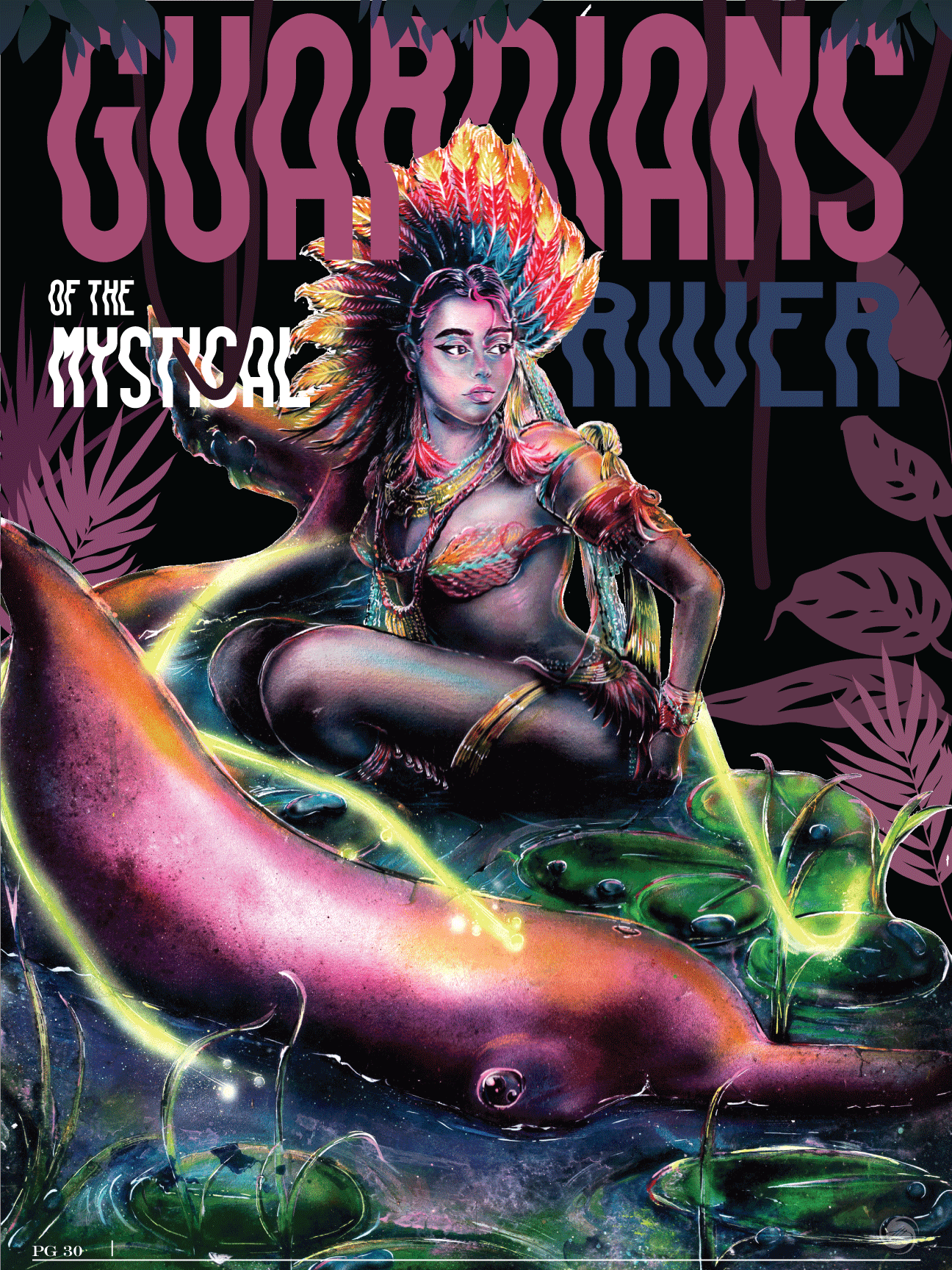
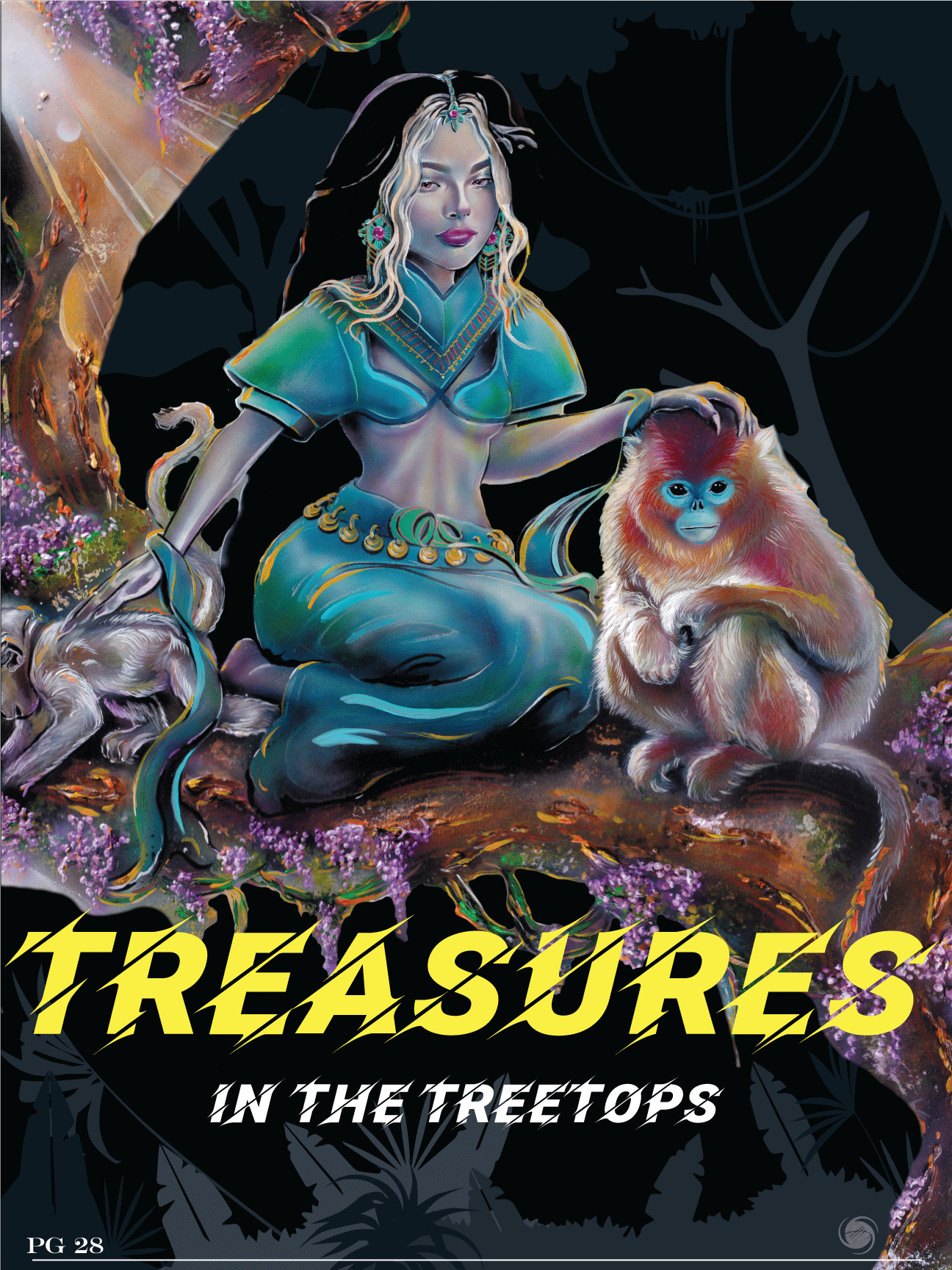
Utilize a lively and rich color palette to evoke a sense of energy and vitality, ensuring that each illustration stands out and grabs the reader's attention


Unconventional Animal Choices:
Feature illustrations of unique and less commonly known species, such as the pink dolphin and the snub-nosed monkey, to spark curiosity and educate readers about the diverse and often endangered wildlife.

Outcome
This project demonstrates my ability to combine illustration, editorial layout, and concept-driven communication into a cohesive visual experience.
It reflects how I approach design problems through audience awareness, visual storytelling, and purposeful composition rather than aesthetics alone.
Story-Led Visual Composition
Structured the illustrations and spreads to guide the reader through a visual narrative, reinforcing the emotional and ecological connection between species and habitat.


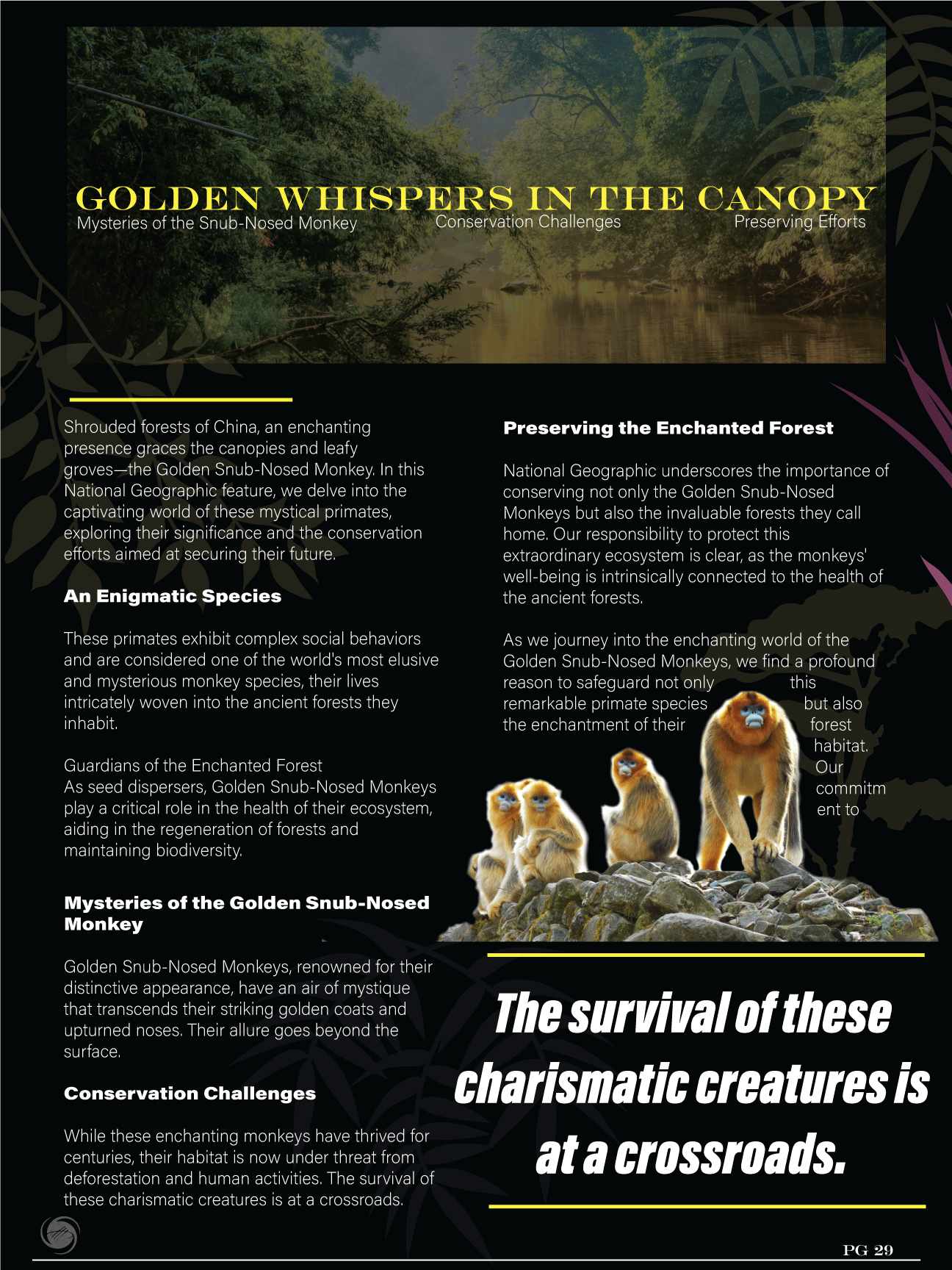
Information Design Integration
Combined illustration with editorial content and supporting visual information to make educational material feel more accessible and engaging.

Conclusion
This project highlights my ability to combine illustration, editorial design, and concept-driven communication into a cohesive visual system designed to engage a specific audience.